
 |
 |
 |
 |
|||
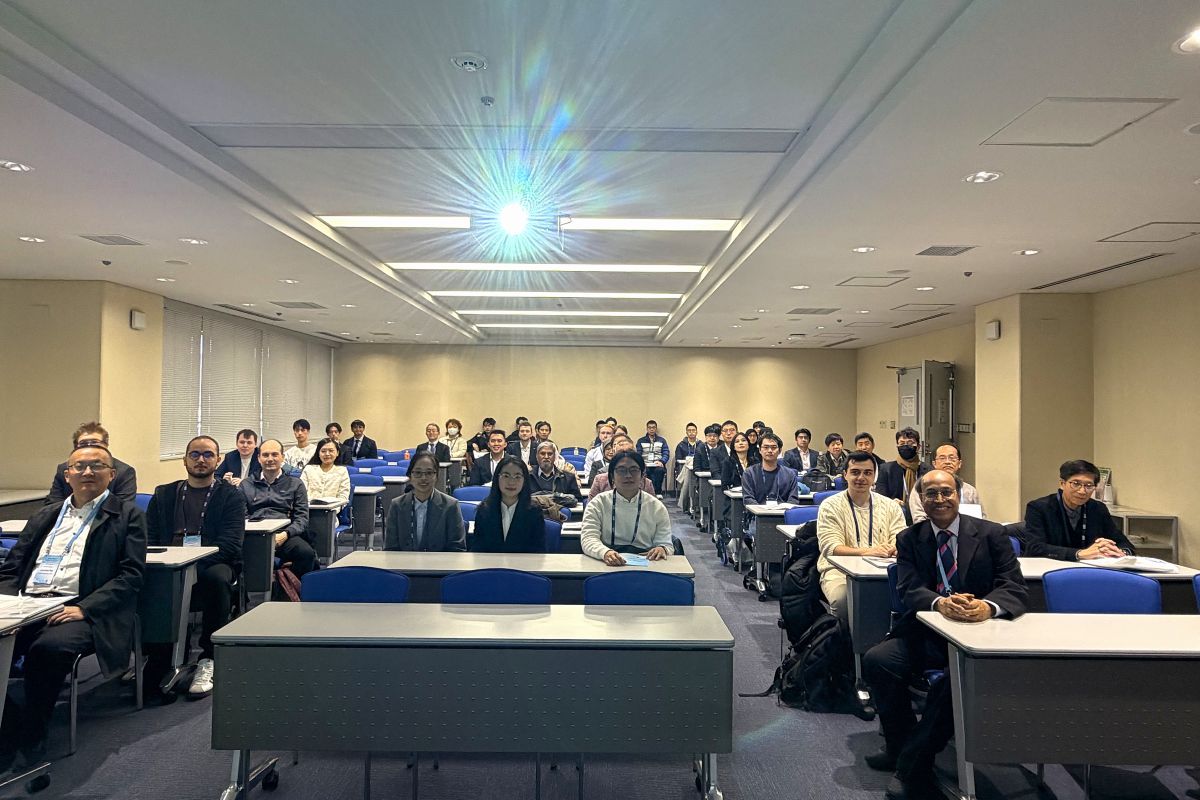
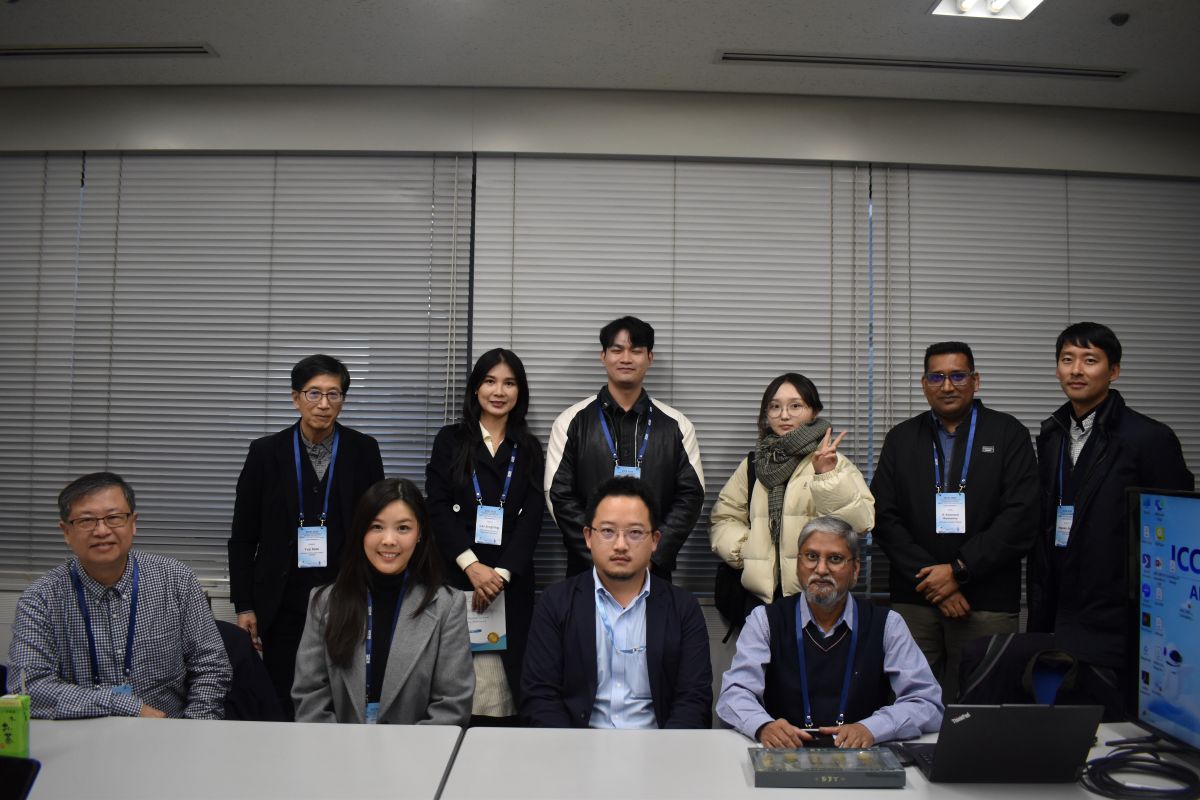
| Conference Group Photo | Conference General Chair Prof. Genci Capi, Hosei University, Japan |
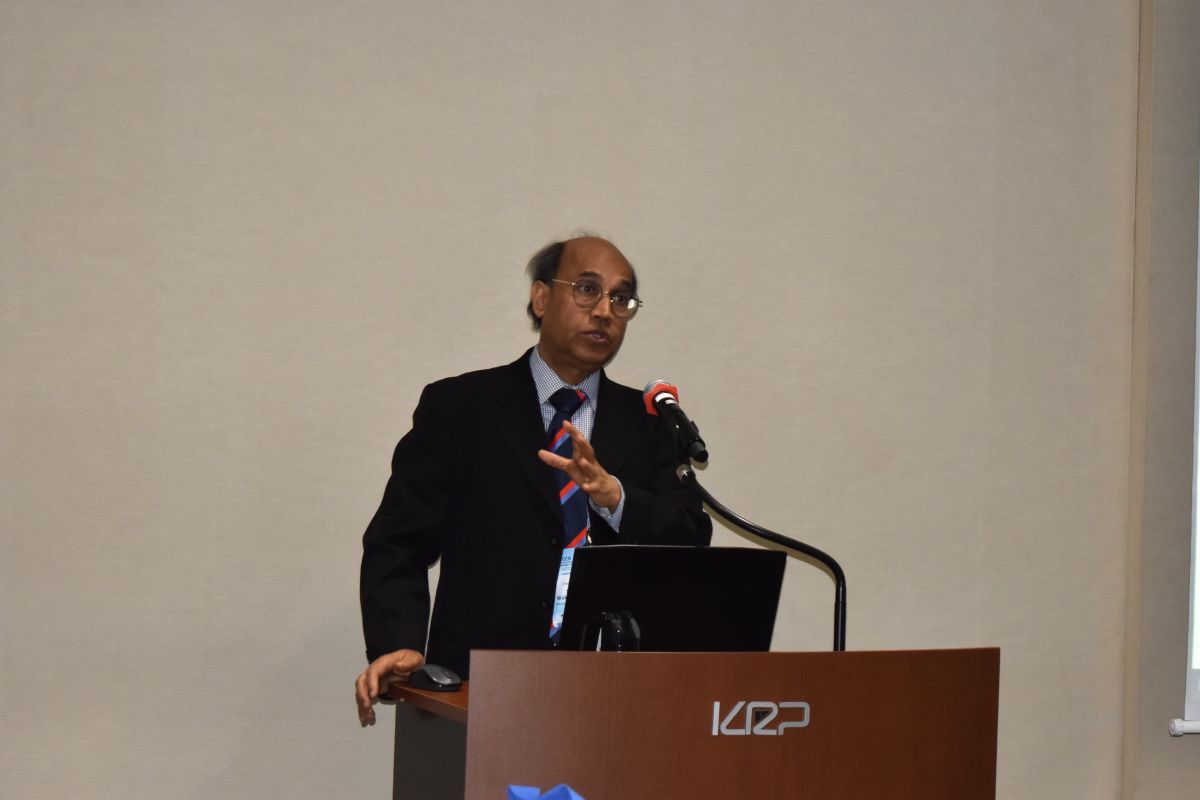
Keynote Speaker: Subhas Mukhopadhyay, Macquarie University, Australia | Keynote Speaker: Prof. Shinichi Hirai, Ritsumeikan University, Japan | |||
 |
 |
 |
 |
|||
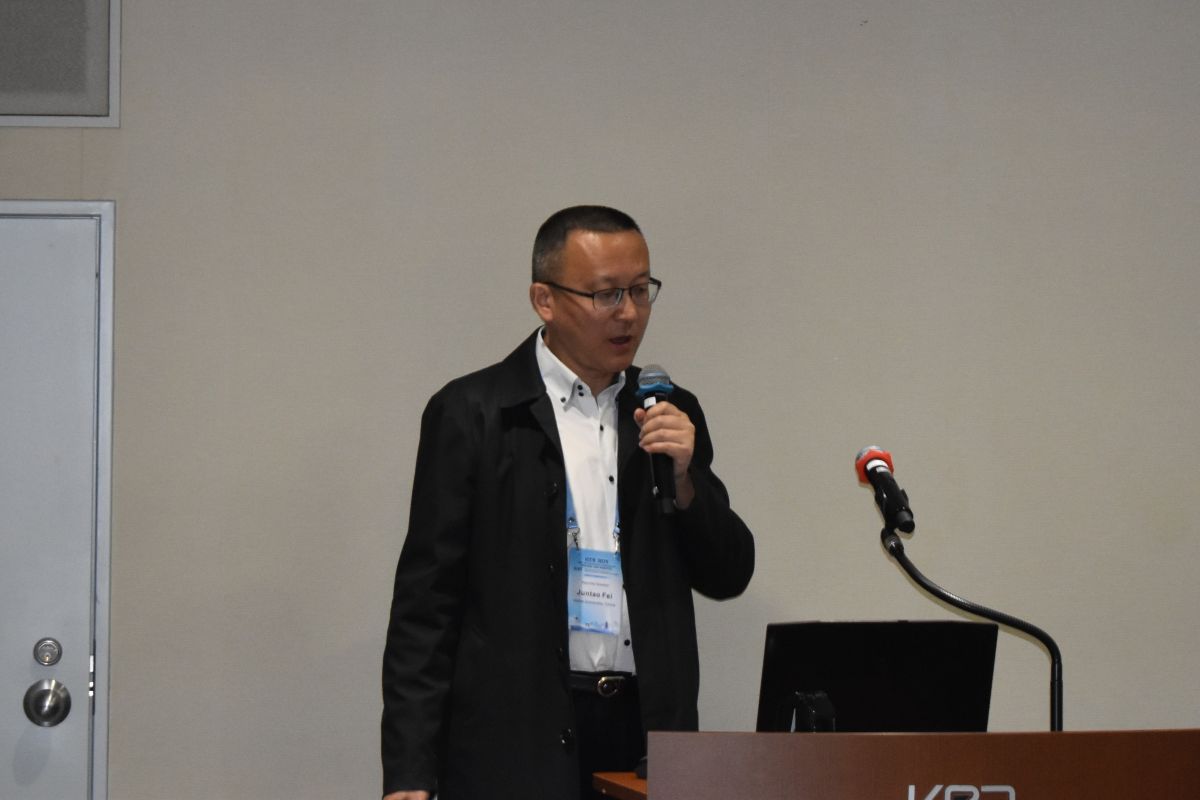
| Keynote Speaker: Prof. Juntao Fei, Hohai University, China |
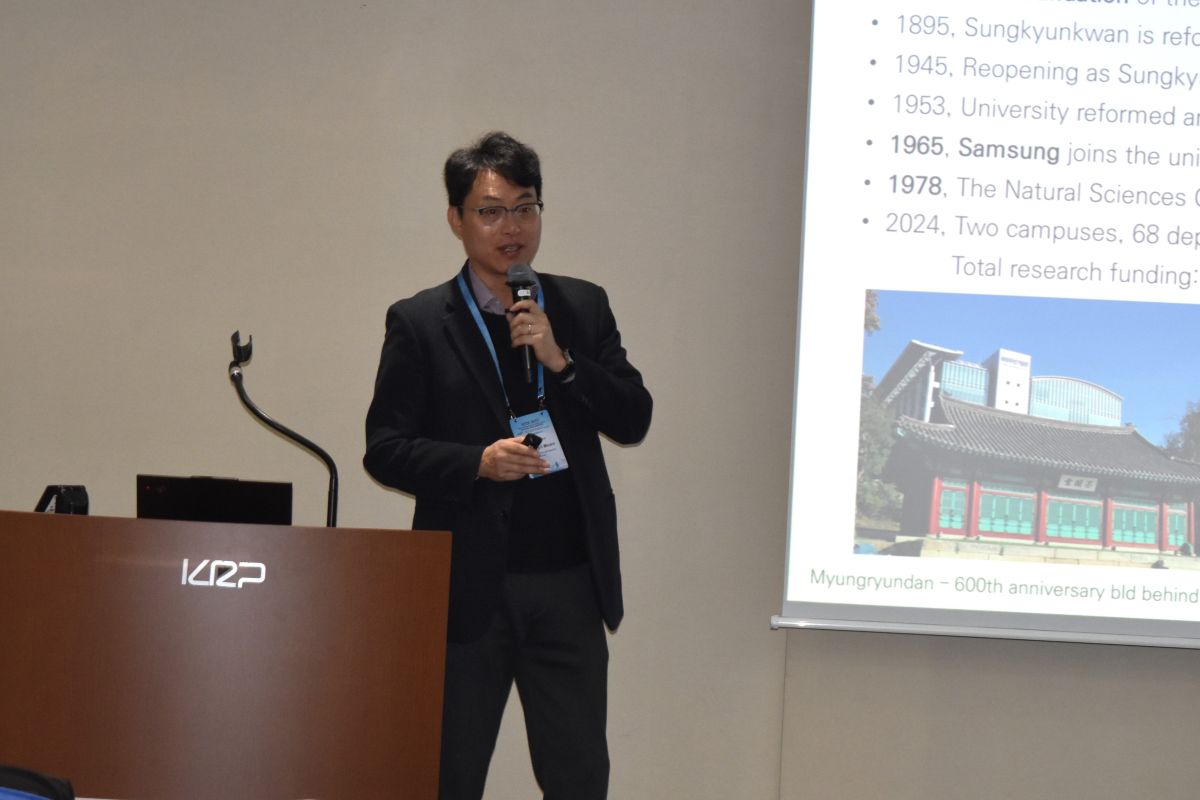
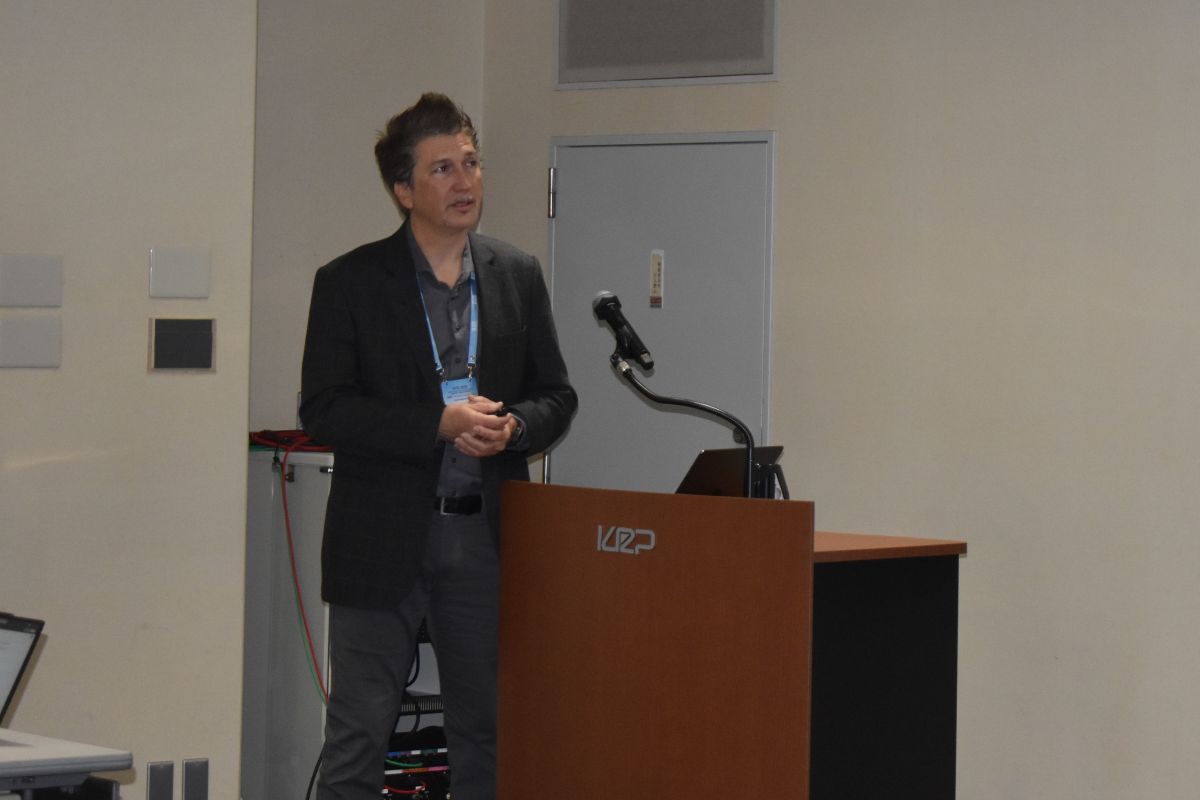
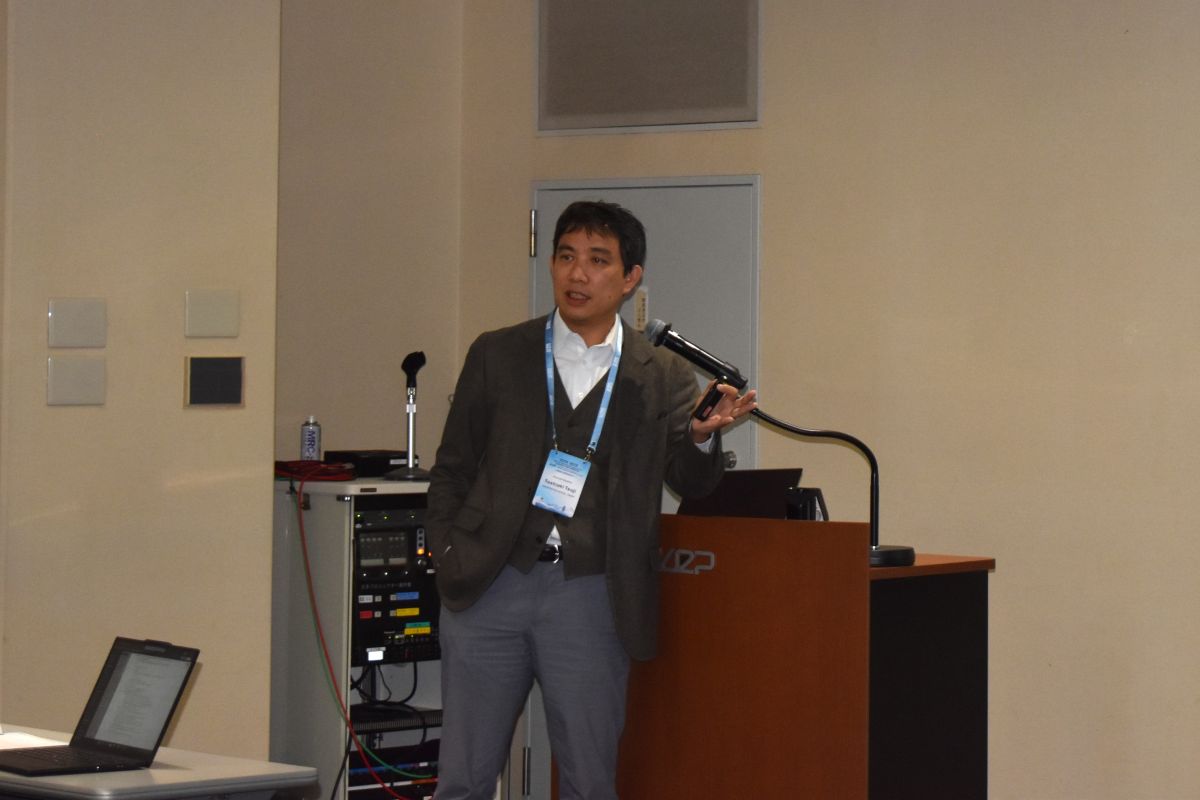
Keynote Speaker: Prof. Hyungpil Moon, Sungkyunkwan University, Korea | Keynote Speaker: Prof. Erhan Oztop, Osaka University, Japan | Keynote Speaker: Prof. Toshiaki Tsuji, Saitama University, Japan | |||
 |
 |
 |
 |
|||
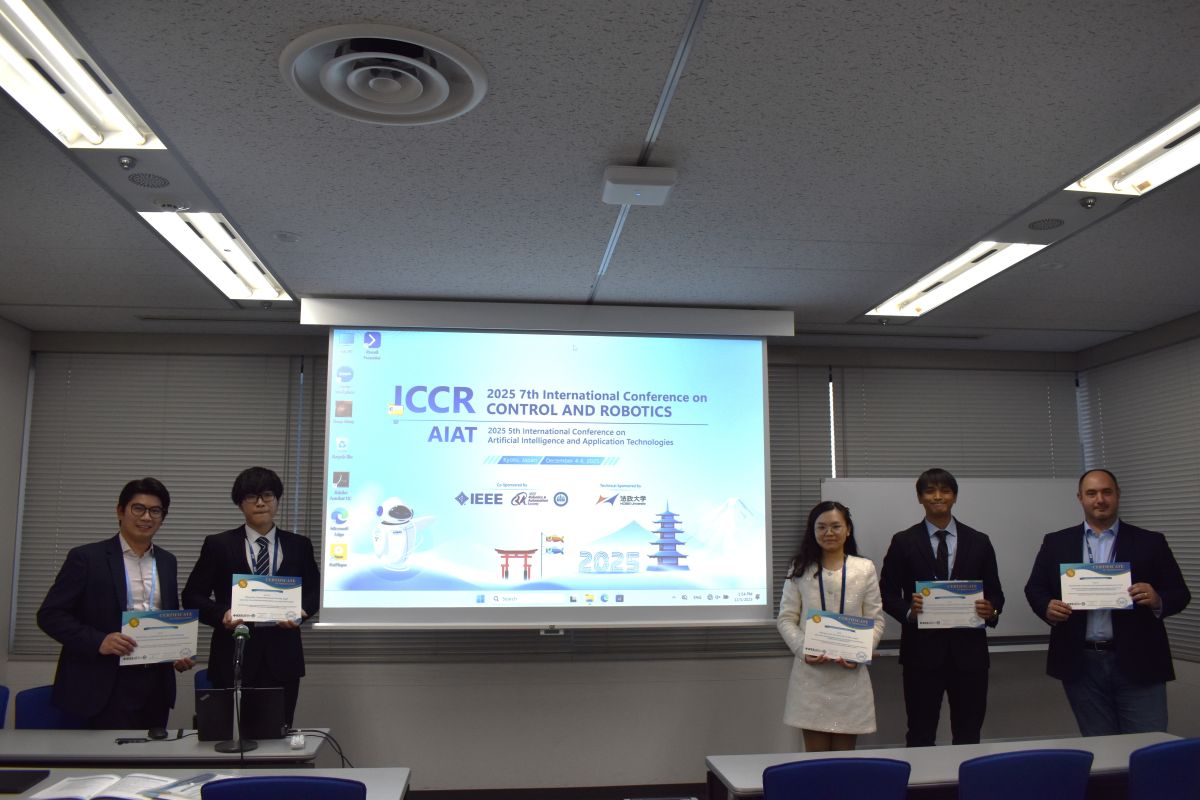
| Onsite Session | Onsite Session | Onsite Session | Onsite Session | |||
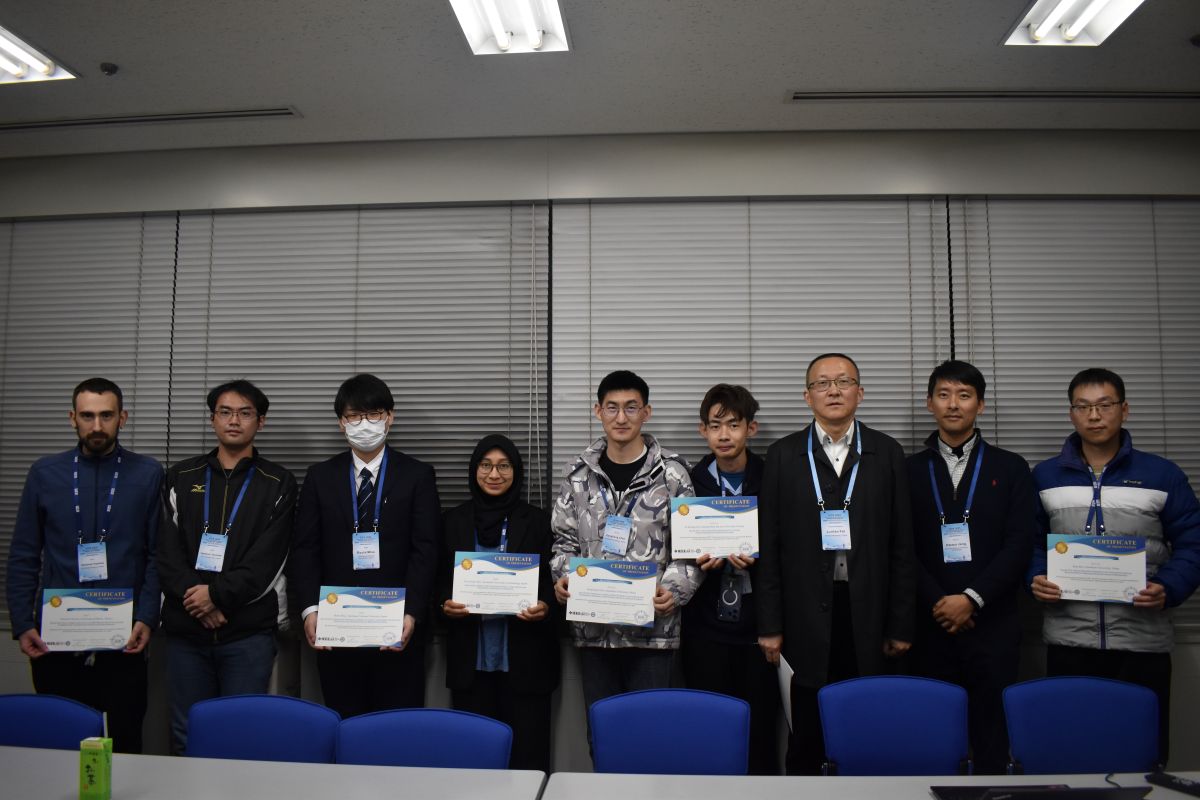 |
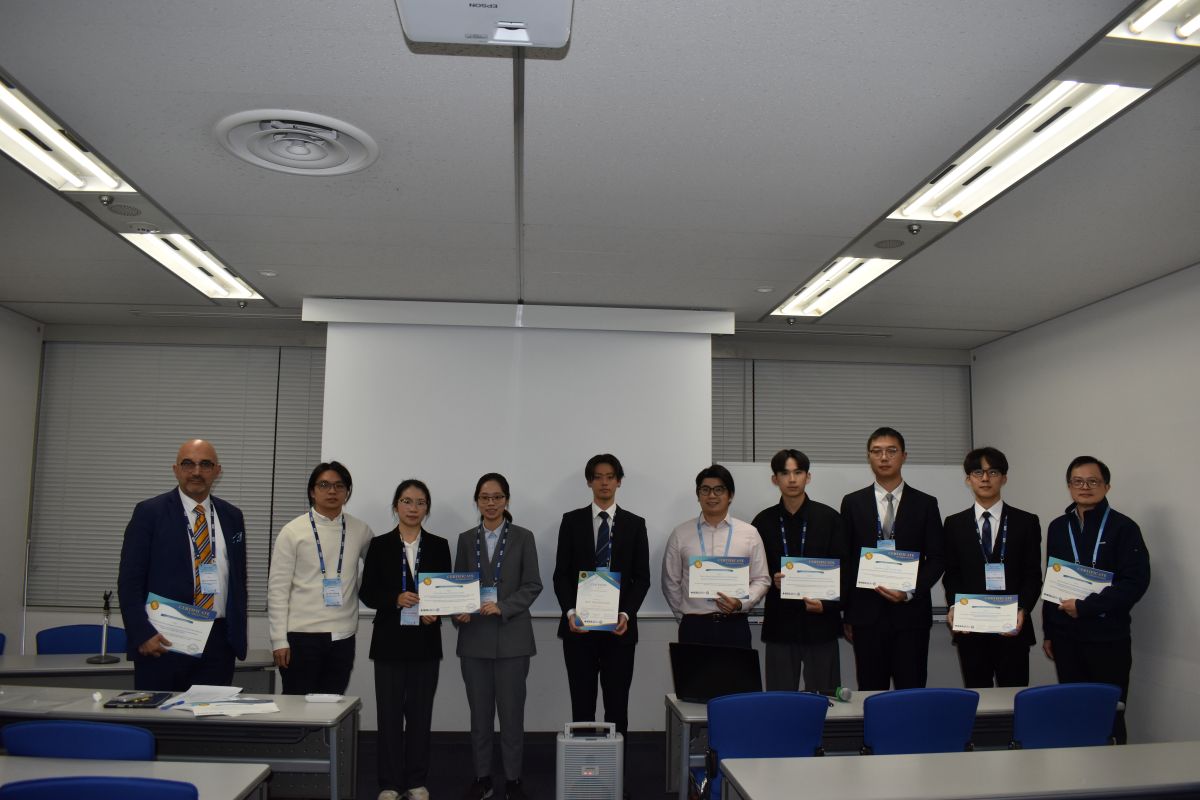 |
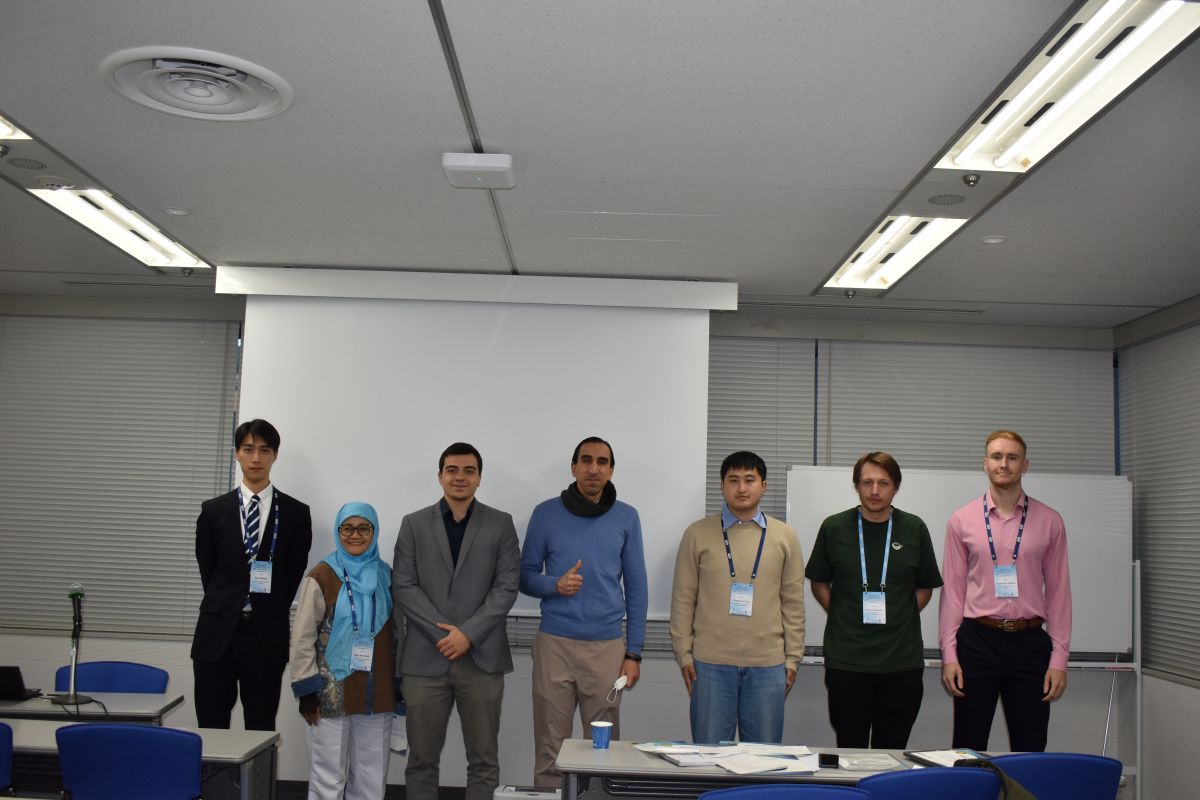 |
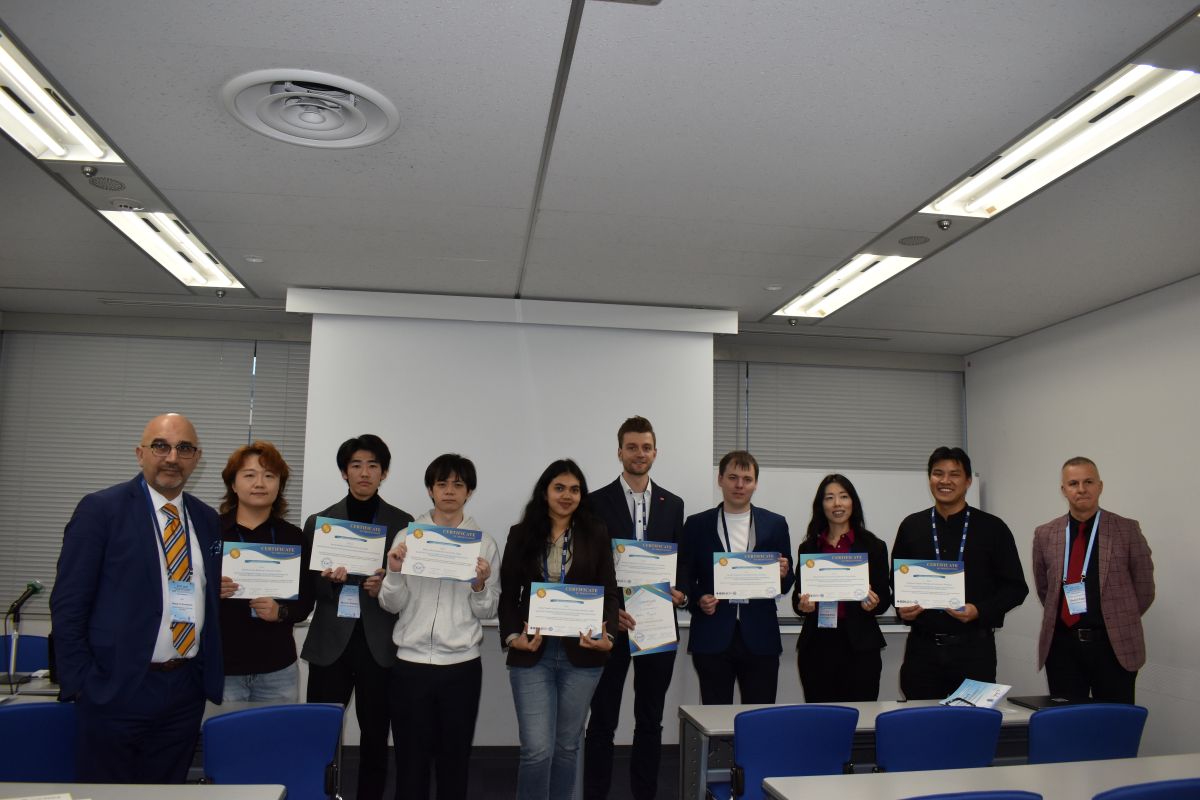 |
|||
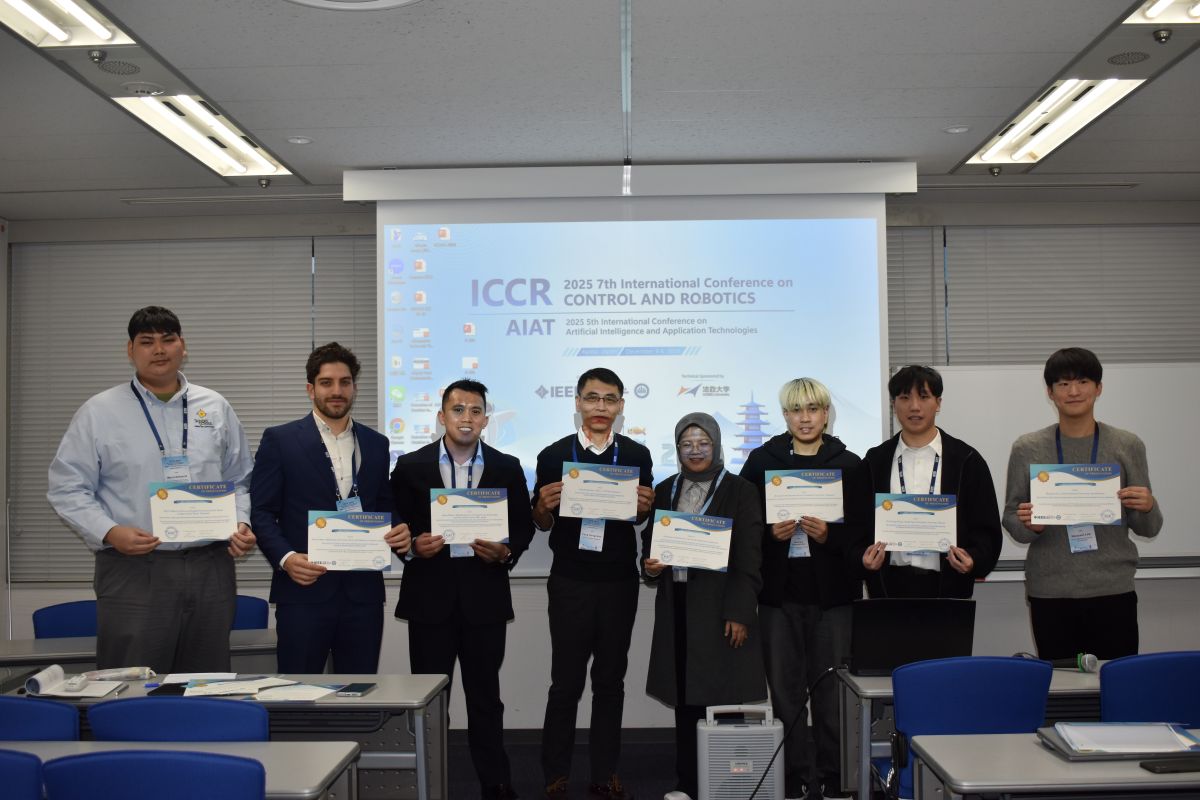
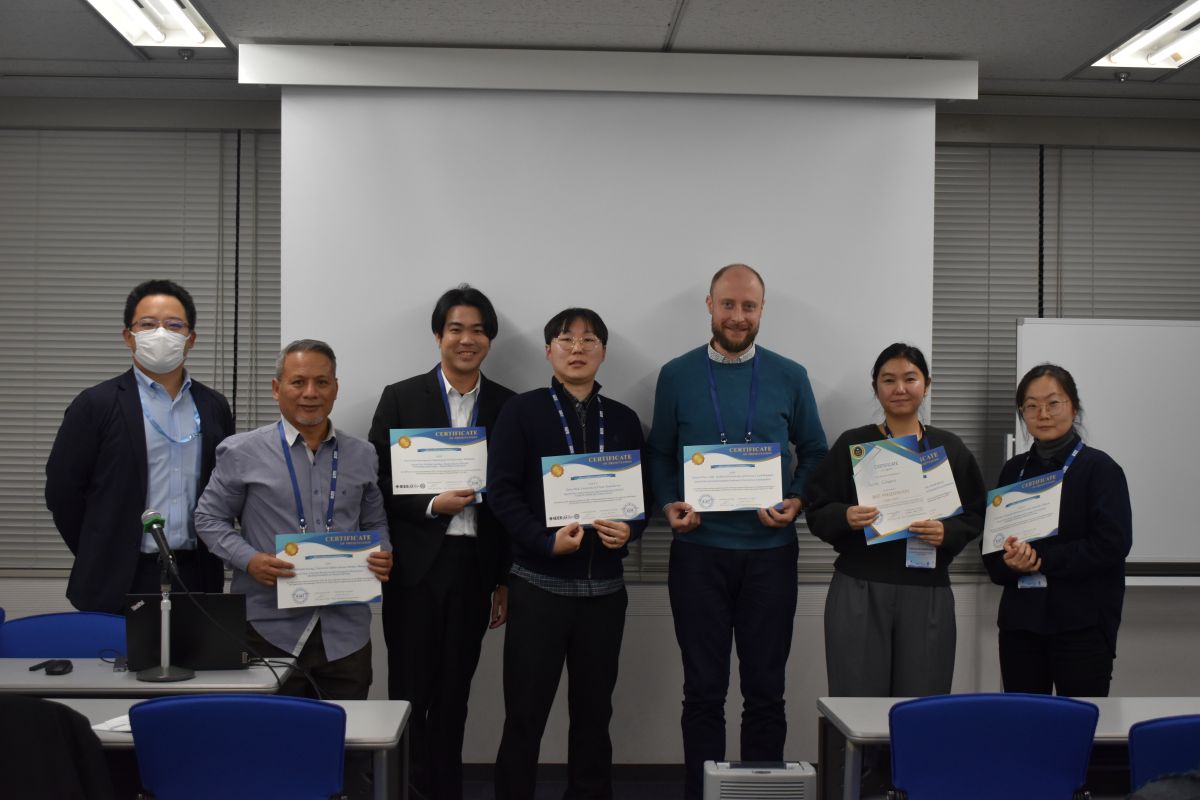
| Onsite Session | Onsite Session | Onsite Session | Onsite Session |
|||
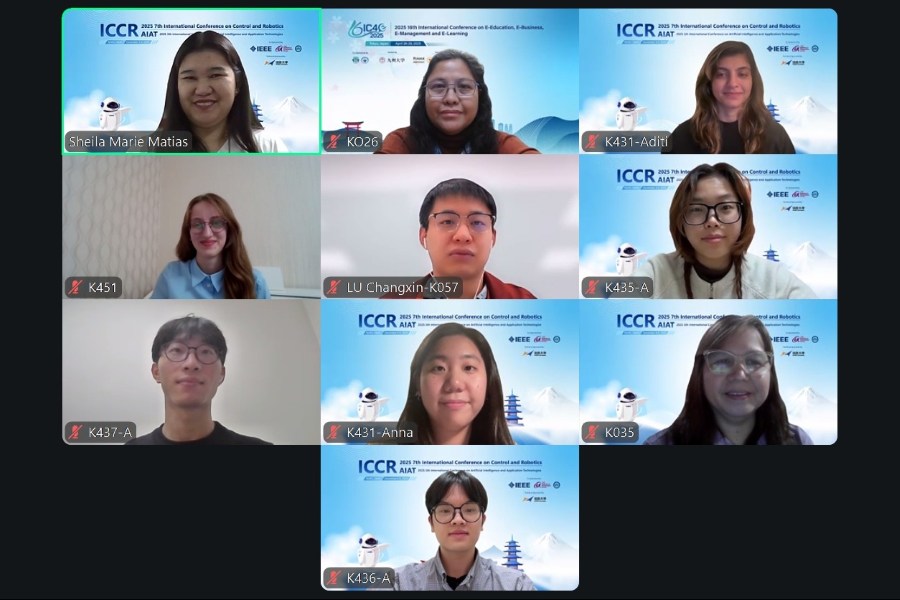 |
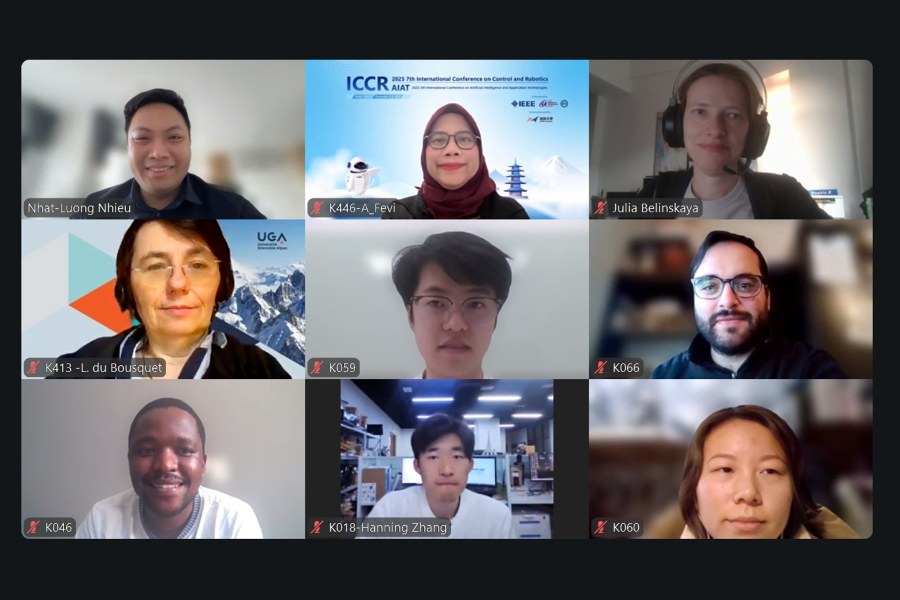 |
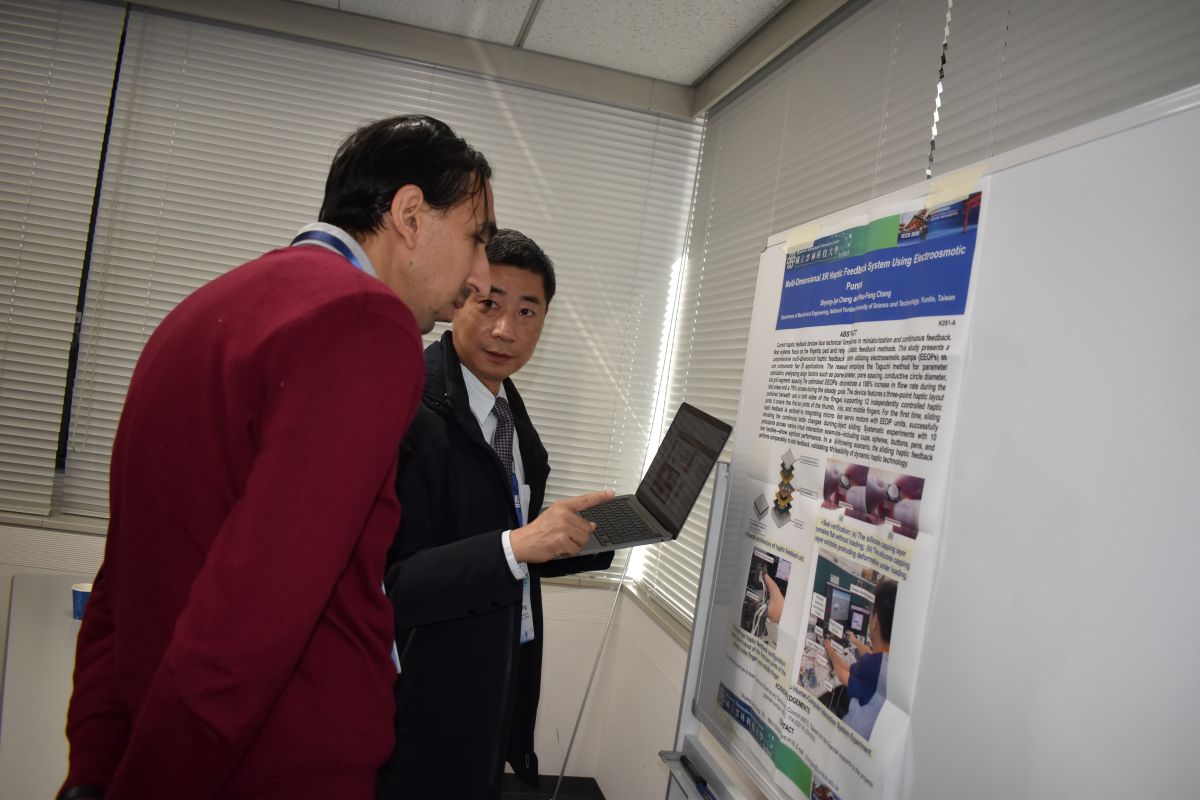 |
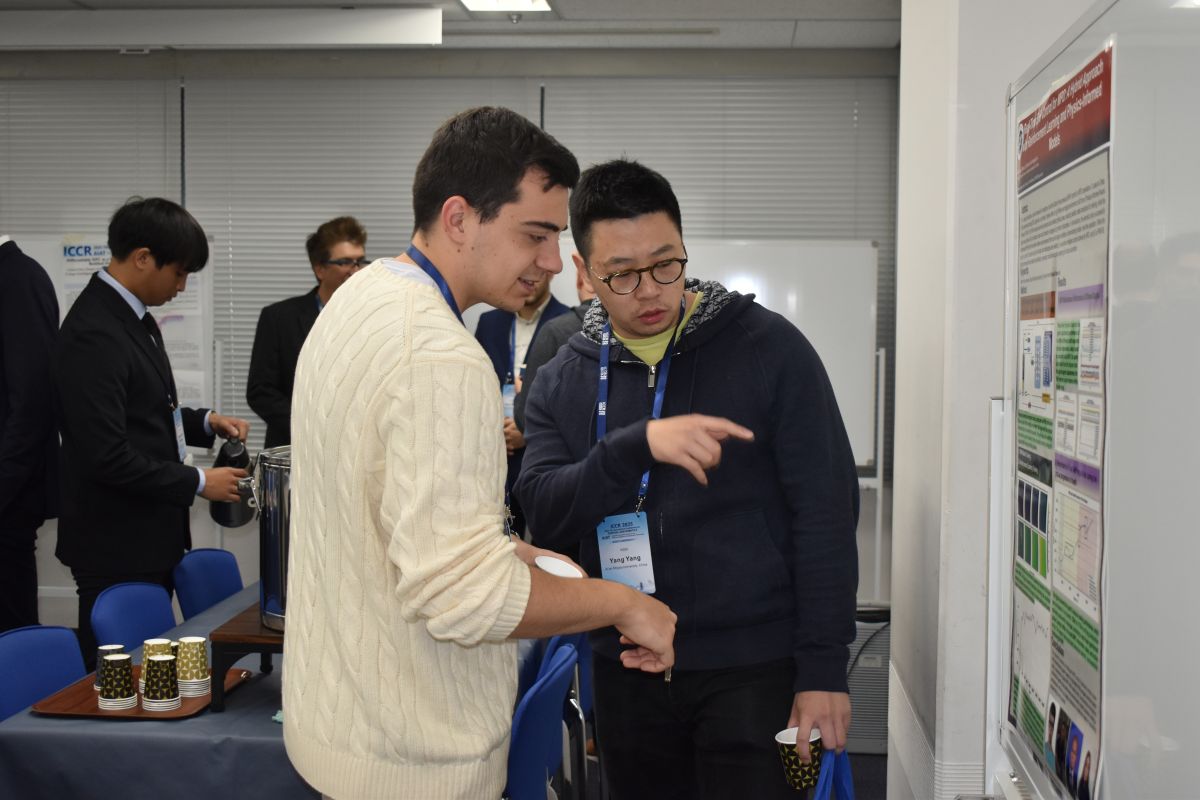 |
|||
| Online Session | Online Session | Poster Session | Poster Session |
 |
2025 7th International Conference on Control and Robotics (ICCR 2025) ICCR 2025 conference proceedings has been archived inot IEEE Xplore already. Read More ICCR 2025 conference proceedings has been indexed by Ei Compendex and Scopus. |
Onsite Session 1: K407
End-to-end Viewpoint Optimization for Inspection based on Defect Detectability Assessment
Authors: Hongchao Fang, Yuzhe Zhang, Hwee Ping Ng
Presenter: Fang Hongchao, ARTC, A*STAR
Onsite Session 2: K071
Impedance Control for Assist-as-Needed Asymmetrical Support of the Sit-to-Stand Motion Using a Semi-wearable Robotic Leg
Authors: Micah Jibril Alampay, Ming Jiang and Yukio Takeda
Presenter: Micah Jibril Alampay, Institute of Science Tokyo
Onsite Session 3: K034&K439
Multilayer Network Modularity Reveals Refined Muscle Synergy Modules in Robot-Assisted Sit-to-Stand Transition
Authors: Tianyi Wang, Keisuke Shima and Yuko Ohno
Presenter: Tianyi Wang, Yokohama National University
&
RespireNet: Enhancing Lung Sound Classification
Authors: R. Kanesaraj Ramasamy
Presenter: R. Kanesaraj Ramasamy, Multimedia University
Onsite Session 4: K040
Analytical Derivation of the Permissible Initial Position Error Region of a Cylindrical Part for Grasping with a Rotary Chuck-type Three-Fingered Hand
Authors: Yoshinori Takahashi and Hiroki Dobashi
Presenter: Yoshinori Takahashi, Wakayama University
Onsite Session 5: K416-A
Early Warning Indicators of NASDAQ Asset Bubbles via Hybrid PSY-LSTM Models
Authors: Fatima Sultakeeva and Tae Jong Choi
Presenter: Fatima Sultakeeva, Chonnam National University
Onsite Session 6: K022
Optimal Load Positioning of a Rotary Crane with Slow and Safe Motion Considering Sway Reduction
Authors: Nur Azizah Amir, Abdallah Farrage, Hideki Takahashi, Shintaro Sasai, Hitoshi Sakurai, Masaki Okubo, Ryosuke Horio and Naoki Uchiyama
Presenter: Nur Azizah Amir, Toyohashi University of Technology
Onsite Session 7: K058
Enhancing Automation in Robotic CorelessFilament Winding through Camera-based Teach-in
Authors: Matthias Marquart, Samed Ajdinovic, Siddieq Mansour, Friedrich Dorsch, Armin Lechler and Alexander Verl
Presenter: Matthias Marquart, University of Stuttgart
Onsite Session 8: K043&K433
360° Camera-LiDAR Spatio-Temporal Calibration by Sensor-wise Object Trajectories Alignment
Authors: Shingo Takebayashi, Ahmed Farid, Goytom Gebreyesus, Yuya Ieiri and Osamu Yoshie
Presenter: Ahmed Farid, Waseda University
&
RoTransMIL: Rotary Positional Embedding for Transformer-based Multiple Instance Learning
Authors: Taro Nitta, Masataka Kawai
Presenter: Taro Nitta, University of Yamanashi
Poster Session: K091-A
Multi-Dimensional XR Haptic Feedback System Using Electroosmotic Pumps
Authors: S. J. Chang and S. F. Chang
Presenter: S. J. Chang, National Yunlin University of Science and Technology
Online Session 1: K451
Automated Lung Tumor Segmentation and 3D Morphological Analysis Using U-Net in Radiation Oncology
Authors: Yusuf Erkan, Yusuf Emre Sönmezgöz, Elif Tantoğlu, Şinasi Kutay, Aslı Sabah, Yiğit Ali Yüncü, Mehmet Feyzi Akşahin, Cengiz Kurtman
Presenter: Yusuf Emre Sönmezgöz, Gazi University
Online Session 2: K044
Joint Space Piecewise Path Smoothing Method for a 6-DOF Parallel Robot
Authors: Ruiheng Dong, Haitao Liu, Yunpeng Liu, Hongye Wu
Presenter: Ruiheng Dong, Tianjin University
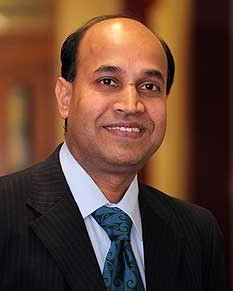 |
Dr. Subhas Mukhopadhyay, Professor FIEEE (USA), FIEE (UK), FIETE (India), Macquarie University, Australia Biography: Subhas holds a B.E.E. (gold medalist), M.E.E., Ph.D. (India) and Doctor of Engineering (Japan). He has over 36 years of teaching, industrial and research experience. Currently he is working as a Professor of Mechanical/Electronics Engineering, Macquarie University, Australia and is the Discipline Leader of the Mechatronics Engineering Degree Programme. His fields of interest include Smart Sensors and sensing technology, instrumentation techniques, wireless sensors and network (WSN), Internet of Things (IoT), Robotics, Mechatronics and Drones etc. He has supervised over 60 postgraduate students and over 200 Honours students. He has examined over 80 postgraduate theses. More details can be available at https://scholar.google.com.au/citations?user=8p-BvWIAAAAJ&hl=en; Speech Title: Next Generation of Smart Devices, IoT, Robots and Drones Abstract: The advancement of sensing technologies, embedded systems, wireless communication technologies, nano-materials, miniaturization, vision sensing and processing speed makes it possible to develop smart mechatronics and machine systems. This seminar will discuss recent research and developmental activities on different sensors and sensing system, Mechatronics, (robotics and drones), IoT along with machine visions at Macquarie University as applicable to medical science, biology and environmental monitoring. |
|
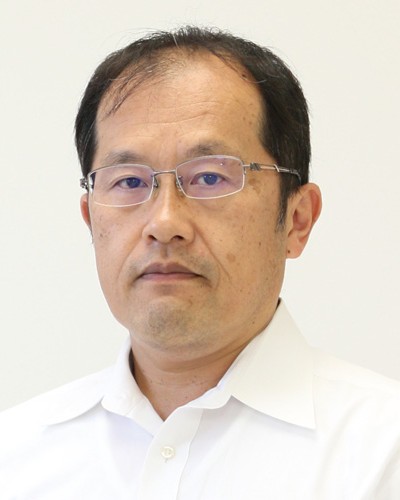 |
Dr. Shinichi Hirai, Professor, Ritsumeikan University, Japan<Biography:Shinichi Hirai received his Ph.D degree in applied mathematics and physics from Kyoto University in 1991. He joined the newly established Department of Robotics at Ritsumeikan University in 1996. Since 2002, he has been a Professor in the department. He was a Visiting Researcher with the Massachusetts Institute of Technology in 1989 and was an Assistant Professor with Osaka University from 1990 to 1996. His current research interests include soft robotic hands, soft sensors, soft object manipulation, and soft object modeling. He received the Robotics Society of Japan (RSJ) Best Paper Award in 2008, FOOMA Japan Academic Plaza Award in 2018, and Int. Conf. on Ubiquitous Robots Best Paper Award in 2020. He is a member of IEEE, RSJ, JSME, and SICE. Speech Title: Soft-Material Robotic Hands for Grasping and Manipulation Abstract: This talk introduces soft-material robotic hands for object grasping and manipulation. There remain many handling operations performed by humans in food industry, agriculture, and low-volume production. These operations require flexibility and adaptability against object variances and changeovers. Soft-material robotic hands will contribute to such operations. In this talk, I will introduce soft-material robotic hands designed and fabricated for handling of food, agricultural products, textiles, and living organisms.
|
|
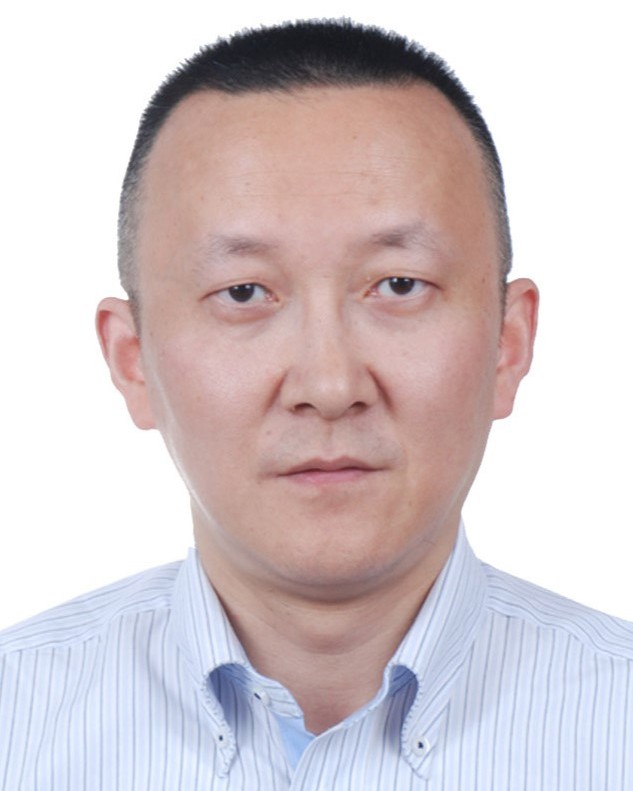 |
Dr. Juntao Fei, Professor, Hohai University, ChinaBiography:Juntao Fei is working as a Professor at the College of Artificial Intelligence and Automation, Director of Institute of Electrical and Control Engineering, Hohai University. He received his M.S and Ph.D. degree from the University of Akron, USA. He was visiting scholars at University of Virginia, USA, North Carolina State University, USA respectively. He ever served as an assistant professor at the University of Louisiana, USA. His fields of interest include neural network, intelligence control, mchatronics and robotics, adaptive control. He is IAAM Fellow, Vebleo Fellow, IEEE Senior Member. He was a Principal Investigator of 30 projects in the last ten years. He has published over 300 papers in Journals and Conferences and five books, 220 SCI Index papers. He authorized 115 invention patents. He has actively served as associate editors for a number of International Journals; chairs for numerous International Conferences. He is an awardee of the Recruitment Program of Global Experts (China). He is selected as the top 0.05% scientists in the world, and "highly cited scholars in China" by Elsevier. Speech Title: Fuzzy Neural Finite-time Sliding Mode Control of DC-DC Buck Converter Abstract: This speech will discuss a nonsingular fast terminal sliding mode control (NFTSMC) with a self-organizing Chebyshev fuzzy neural network (SOCFNN) to achieve voltage tracking control of a DC-DC buck converter. The NFTSMC can ensure the finite-time convergence property of the tracking error. The SOCFNNis utilized to estimate the nonlinear dynamics, in which a novel structure learning mechanism is constructed to dynamically generate the number of the fuzzy rules. Both the simulation and experimental comparisons illustrate that the proposed controller presents higher voltage tracking accuracy and faster dynamic response. |
|
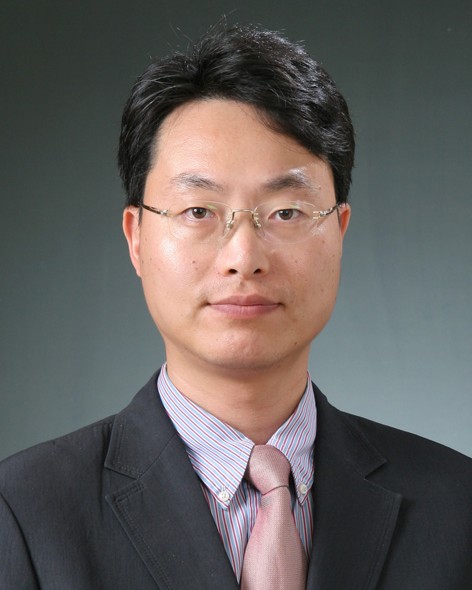 |
Dr. Hyungpil Moon, Professor, Sungkyunkwan University, KoreaBiography:Professor Hyungpil Moon is a faculty member in the Department of Mechanical Engineering at Sungkyunkwan University and serves as the chairperson of the Department of Intelligent Robotics. His research interests include robotic manipulation, autonomous mobile robots, sensors and actuators, and the application of machine learning in robotics. Professor Moon received his Ph.D. from the University of Michigan, Ann Arbor and has experience as a postdoctoral researcher at the Robotics Institute of Carnegie Mellon University. He is an Associate Vice President of IEEE RAS, Senior Editor of IEEE RA-L and TASE. His notable research achievements include the design and control of various robotic systems, particularly in the development of logistics and service robots. Recently, he has been focusing on AI applications in robotics, dual-arm robotic systems, and developing efficient package handling technologies for logistics environments. Speech Title: From Laboratory Air Lines to Self-Contained Pneumatic Intelligence: Pressure Control for Untethered Soft Robots Abstract: Traditional pneumatic soft robots have relied on laboratory compressed-air lines or tethered high-pressure pneumatic sources, confining their operation to bench-top environments. While such systems enabled foundational research in soft pneumatic actuation, their dependence on external air supplies has fundamentally limited the mobility, autonomy, and scalability of soft robots. |
|
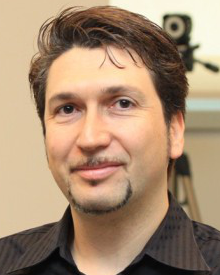 |
Dr. Erhan Oztop, Professor, Osaka University, JapanBiography: Erhan Oztop received the Ph.D. degree from the University of Southern California, in 2002. In the same year, he joined Computational Neuroscience Laboratories, Advanced Telecommunications Research Institute International (ATR), Japan. There, he was a Researcher and later a Senior Researcher and the Group Leader, in addition to serving as the Vice Department Head for two research groups and holding a visiting associate professor position with Osaka University, from 2002 to 2011. Currently, he is a Professor with Özyeğin University, Turkey, and a Specially Appointed Professor with Osaka University, Japan. His research interests include computational modeling intelligent behavior, machine learning, cognitive and developmental robotics, and cognitive neuroscience and human-robot adaptation. Speech Title: Efficient Robot Learning from Demonstration Abstract: Learning from Demonstration (LfD) enables robots to acquire movement primitives directly from human demonstrations. Recent LfD models leverage deep learning to construct expressive and powerful movement representations. However, amid the rapid progress in AI and deep learning, the resource aspect of such systems are often overlooked. Yet, many application domains still require lightweight and efficient solutions, such as low-power devices, edge computing, and on-board robot learning. |
|
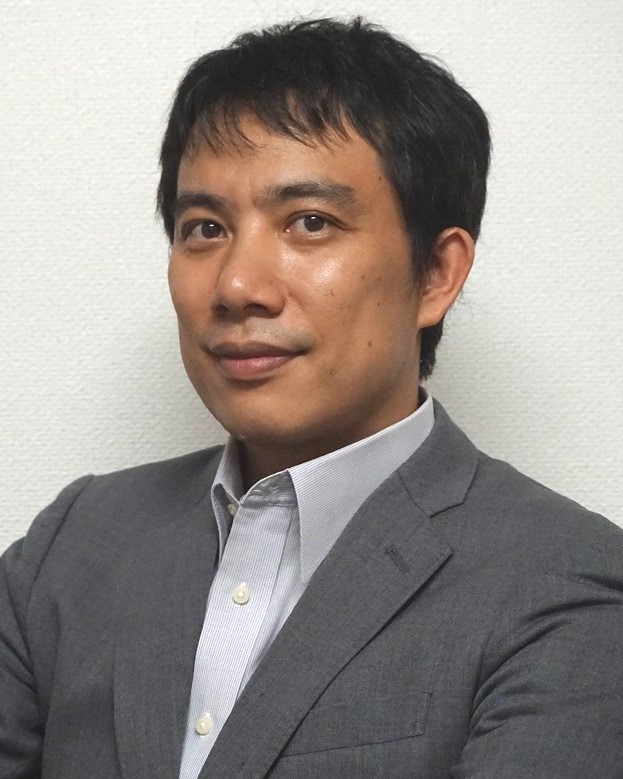 |
Dr. Toshiaki Tsuji, Associate Professor, Saitama University, JapanBiography:Toshiaki Tsuji received the B.E. degree in system design engineering and the M.E. and Ph.D. degrees in integrated design engineering from Keio University, Yokohama, Japan, in 2001, 2003, and 2006, respectively. He was a Research Associate with the Department of Mechanical Engineering,Tokyo University of Science, from 2006 to 2007. He is currently an Associate Professor with the Department of Electrical and Electronic Systems, Saitama University, Saitama, Japan. He has been working to enhance robotic skills and has advanced research on force measurement and force control, as well as their applications to manipulation. He has pursued exploration of methods for acquiring latent representations of force and position for modeling skilled movements, and received the Nagamori Award in 2025.He also received the RSJ Advanced Robotics Excellent Paper Award and the IEEJ Industry Application Society Distinguished Transaction Paper Award in 2020. Speech Title: Imitation Learning of Contact-rich Tasks Abstract: Contact-rich tasks, which require complex physical interactions with the environment, are an important challenge in robotics due to their nonlinear dynamics and sensitivity to small environmental deviations. Imitation learning is a key technology for acquiring human motor skills through robots to advance contact-rich manipulation. Moreover, with recent advances in large language models, its application scope is likely to expand significantly in the future. This talk introduces imitation learning approaches, highlighting their applications to contact-rich manipulation. |
Copyright © The 8th International Conference on Control and Robotics |ICCR » iccr_conf@robotics.ac.cn